

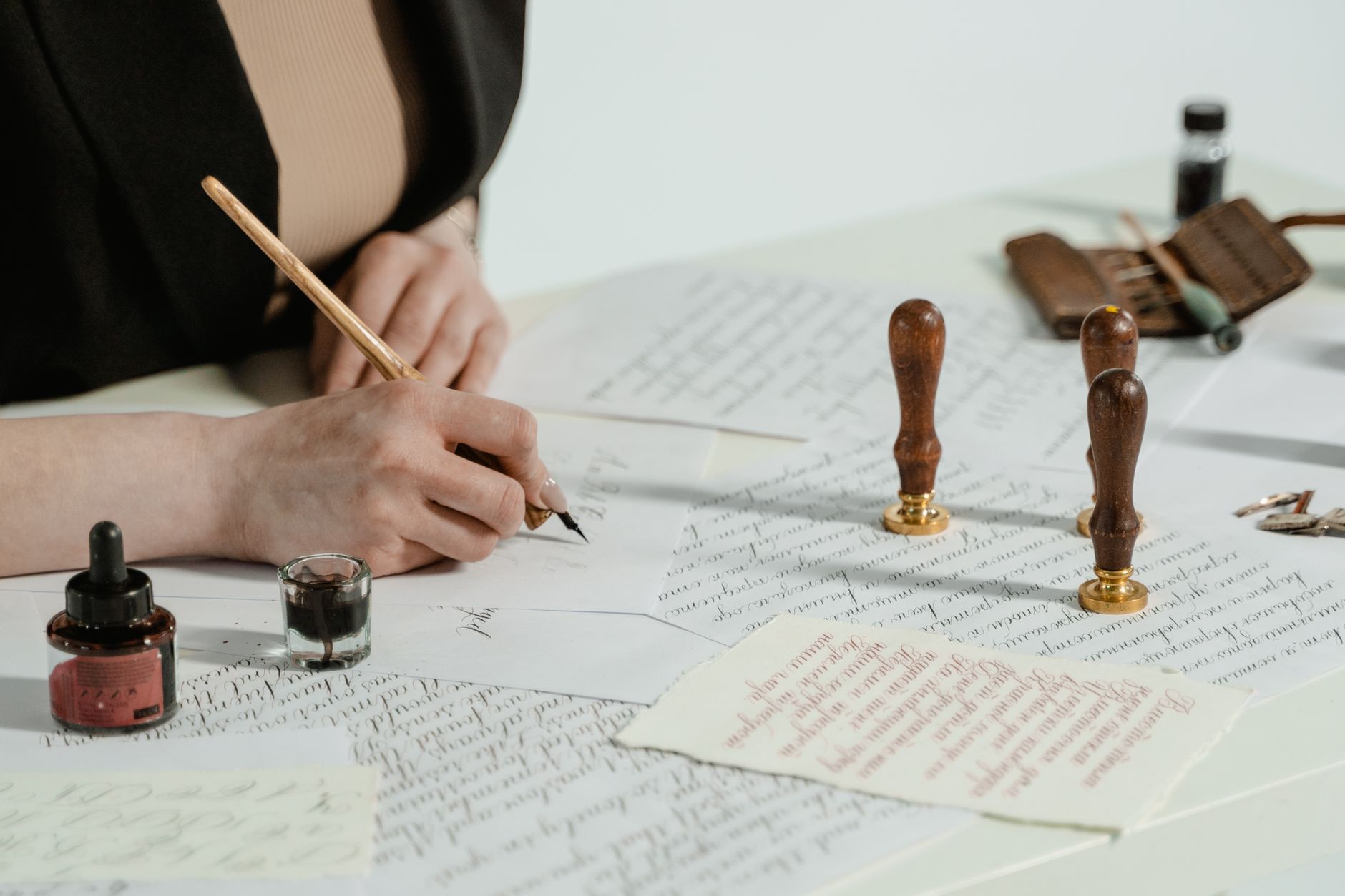
A cover letter should be 250 to 400 words, typically arranged in three or four short paragraphs that fit on a single page. This length allows you to clearly present your qualifications and enthusiasm for a role without overwhelming the hiring manager.
Why Cover Letters Should Be One Page (and 250-400 Words)
The one-page rule for cover letters is a long-standing guideline that remains relevant for most job applications. Recruiters and hiring managers often review many applications, and a concise, well-structured cover letter helps them quickly grasp your suitability for the role. Think of your cover letter as an introduction, not a full autobiography.
Read nextTech Jobs in Poland for Foreigners in 2026
The 250-400 word count is a general rule of thumb that naturally aligns with the one-page limit when using standard formatting (10-12 point font, 1-inch margins, single spacing). This range provides enough space to:
Cover letter
Write the cover letter for this exact job
Paste the job ad: MatchupWise reads it next to your CV and drafts a cover letter you can edit, in 25 languages.
- Introduce yourself and the position you're applying for.
- Highlight 2-3 key skills or experiences directly relevant to the job description.
- Briefly explain why you are a good fit for the company and the role.
- Express your enthusiasm and call to action.
Exceeding this length risks your letter being skimmed or, worse, not read at all. A letter that is too short, on the other hand, might fail to convey enough information to make a compelling case for your candidacy.
How Many Paragraphs and What to Include in Each
A standard cover letter typically consists of three to four paragraphs, each serving a specific purpose. This structure helps maintain clarity and ensures you cover all essential points concisely.
Paragraph 1: The Introduction (1-2 Sentences)
Your opening paragraph should immediately state the position you are applying for and where you saw the advertisement. Briefly express your enthusiasm and a key reason why you are interested in this specific role or company.
Read nextHow to Find a Job in Spain 2026: Your Step-by-Step Guide
"I am writing to express my keen interest in the Senior Marketing Manager position advertised on LinkedIn. With five years of experience in digital strategy and campaign management, I am confident I possess the skills to significantly contribute to your team at [Company Name]."
Paragraph 2: Highlighting Key Qualifications (2-4 Sentences)
This paragraph should connect your most relevant skills and experiences to the job requirements. Focus on one or two major achievements or areas of expertise that directly align with what the employer is seeking. Use strong action verbs.
"In my previous role at [Previous Company], I led a team that increased online engagement by 30% through targeted content campaigns. I also successfully managed a budget of $500,000, consistently delivering projects on time and under budget, which directly relates to the project management responsibilities outlined in your job description."
Paragraph 3: Demonstrating Fit and Value (2-4 Sentences)
Here, you can elaborate on how your values align with the company's mission or culture, or how your unique skills will benefit the organization. Show that you've done your research and understand their needs.
"I am particularly drawn to [Company Name]'s commitment to sustainable innovation, a value I deeply share. My experience in developing eco-friendly marketing initiatives, such as the 'Green Growth' campaign that reduced print materials by 40%, would allow me to contribute meaningfully to your sustainability goals."
Paragraph 4: The Conclusion and Call to Action (1-2 Sentences)
Reiterate your interest in the position and express your eagerness for an interview. Thank the hiring manager for their time and consideration.
"Thank you for considering my application. I am very enthusiastic about the opportunity to discuss how my skills and experience can benefit [Company Name] and welcome the chance for an interview."
Tailoring Your Cover Letter to the Job Description
A generic cover letter is unlikely to stand out. To make your letter impactful and ensure it meets the ideal length, you must tailor it specifically to each job application. This means more than just changing the company name; it involves aligning your experiences and skills with the employer's needs.
Here’s how to effectively tailor your cover letter:
- Analyze the Job Description: Read the job description carefully, identifying key responsibilities, required skills, and desired qualifications. Pay attention to keywords and phrases used by the employer.
- Match Your Experience: For each key requirement, think of a specific example from your past roles where you demonstrated that skill or achieved a relevant outcome.
- Use Keywords Naturally: Integrate relevant keywords from the job description into your cover letter. Many companies use Applicant Tracking Systems (ATS) to scan applications for these terms. Using them naturally helps your letter pass through these initial filters. For example, if the job description mentions "customer relationship management" and "data analysis," ensure these phrases appear in your letter where appropriate. You can use an ATS scanner to check how well your letter aligns with the job description.
- Research the Company: Understand the company's mission, values, recent projects, and culture. Weave this knowledge into your letter to show genuine interest and demonstrate cultural fit.
By tailoring your letter, you ensure every word is purposeful, helping you stay within the ideal length while maximizing impact.
What to Do When Your Cover Letter Is Too Long
If your cover letter exceeds the one-page, 400-word limit, it's time to edit. A lengthy letter can deter recruiters. Here are strategies to trim it down without losing impact:
- Eliminate Redundancy: Read through your letter and identify any sentences or phrases that repeat information already stated. For example, if your CV already lists your job duties or skills, your cover letter doesn't need to reiterate them in detail. Avoid simply repeating your resume; instead, select 2-3 key achievements to highlight and elaborate on their relevance.
- Focus on Relevance: Every sentence should directly support your candidacy for this specific job. Cut out any experience or skill that isn't directly applicable to the role you're applying for.
- Combine Sentences: Look for opportunities to merge two short sentences into one more concise statement.
- Original: "I have strong communication skills. I also excel at teamwork."
- Revised: "I possess strong communication and teamwork skills."
- Use Stronger Verbs and Active Voice: Replace weak verbs and passive constructions with more impactful, active verbs.
- Original: "The project was managed by me, and it was completed ahead of schedule."
- Revised: "I managed the project, completing it ahead of schedule."
- Quantify Achievements Concisely: Instead of lengthy explanations, use numbers and metrics to quickly convey impact.
- Original: "I worked on improving sales figures, and after several months, we saw a noticeable increase in revenue."
- Revised: "I increased sales revenue by 15% in six months."
- Remove Fluff and Jargon: Avoid overly formal language, clichés, or industry jargon that doesn't add value. Be direct and to the point.
- Review Formatting: Sometimes, slight adjustments to margins (e.g., 0.75 inches if absolutely necessary, but 1 inch is standard), line spacing, or font size (never below 10pt) can help fit content on one page. However, prioritize content editing first.
Remember, the goal is to be concise, not to remove valuable information. Each word should earn its place.
What to Do When Your Cover Letter Is Too Short
If your cover letter is significantly under 250 words, it might not be providing enough detail to convince a hiring manager of your suitability. Here’s how to expand it effectively:
- Elaborate on Key Achievements: Instead of just stating an achievement, briefly explain the challenge, the action you took, and the result (CAR method).
- Original: "I improved customer satisfaction."
- Revised: "I implemented a new feedback system that improved customer satisfaction scores by 20% within the first quarter."
- Connect Skills to Company Needs: Don't just list skills; explain how those skills will directly benefit the employer. Refer back to the job description and company goals.
- Add Specific Examples: General statements are less impactful than specific examples. If you mention "leadership skills," provide a brief instance where you demonstrated them.
- Show Your Research: Expand on why you are interested in this specific company and this specific role. Mention a recent company project, an award they received, or a value they promote that resonates with you. This shows genuine interest beyond just needing a job.
- Expand on Cultural Fit: If the company emphasizes a particular culture (e.g., collaboration, innovation, customer-centricity), explain how your personality or past experiences align with that.
- Refine Your Opening and Closing: Ensure your introduction is engaging and your conclusion effectively reiterates your enthusiasm and call to action. Sometimes, adding a sentence or two to these sections can provide a more polished feel.
The aim is to add substance and relevance, not just filler. Every added word should strengthen your case.
Cover Letter Length for Specific Situations
While the 250-400 word, one-page rule applies to most applications, some situations might have slight variations.
Cover Letter Length in the UK
In the UK, the standard advice for cover letter length is very similar to the US: one page, typically 250-400 words. Recruiters in the UK also value conciseness and direct relevance. The structure (introduction, body paragraphs, conclusion) remains the same. The key is to be clear, professional, and tailored to the specific role and company.
Academic or Research Cover Letters
For academic positions, research grants, or highly specialized roles, cover letters might occasionally extend slightly beyond the typical length, sometimes reaching 1.5 pages. This is usually to accommodate a more detailed explanation of research interests, publications, or complex project experience. However, even in these cases, brevity is still appreciated, and two full pages are rarely recommended.
Internal Applications
When applying for an internal position within your current company, your cover letter might be slightly shorter, as the hiring manager likely already knows your work history. You can focus more on your career aspirations, how this new role aligns with your development, and how your existing knowledge of the company will be an asset. Still, aim for a clear, concise message, typically within the one-page limit.
Cover Letter vs. Letter of Application vs. Motivation Letter
These terms are often used interchangeably, but there can be subtle differences depending on the context or region. Understanding these distinctions can help you tailor your document appropriately.
| Document Type | Primary Purpose | Typical Length | Key Focus |
|---|---|---|---|
| Cover Letter | To introduce your CV/resume and express interest in a specific job. | 1 page (250-400 words) | Matching your skills/experience to job requirements. |
| Letter of Application | A broader term, often synonymous with a cover letter, but can also be used for unsolicited applications. | 1 page (250-400 words) | Similar to a cover letter; may include more general career goals if unsolicited. |
| Motivation Letter | To explain your personal motivation for applying to a program (e.g., university), internship, or volunteer role. | 1 page (300-500 words) | Personal drive, passion, future goals, and how the opportunity aligns with them. Often more narrative. |
For most job applications, "cover letter" and "letter of application" refer to the same document, adhering to the one-page, 250-400 word guideline. Motivation letters, while still concise, might lean slightly longer to allow for more personal storytelling, but rarely exceed one page significantly.
Formatting Tips for a Single-Page Cover Letter
Effective formatting is key to ensuring your cover letter looks professional and fits neatly onto one page. Poor formatting can make a well-written letter appear cluttered or difficult to read.
- Font Choice and Size: Use professional, easy-to-read fonts like Arial, Calibri, or Times New Roman. The body text should be 10-12 points. Your name in the header can be slightly larger (14-16 points).
- Margins: Standard margins are 1 inch (2.54 cm) on all sides. You can reduce them slightly to 0.75 inches if absolutely necessary to fit content, but avoid going smaller as it can make the page look cramped.
- Line Spacing: Use single line spacing for the body of the letter. Add a blank line between paragraphs and between your contact information, the date, and the recipient's information to improve readability.
- Contact Information: Place your contact information (name, phone, email, LinkedIn URL) at the top of the page. The date, recipient's name, title, and company address should follow.
- Salutation and Closing: Use a professional salutation (e.g., "Dear Mr./Ms. [Last Name]") and a professional closing (e.g., "Sincerely," "Best regards,").
- Proofread: Always proofread your letter carefully for any typos or grammatical errors. Even minor mistakes can detract from your professionalism.
A clean, organized layout enhances readability and leaves a positive impression, reinforcing your attention to detail.
FAQ
How long should a cover letter be in 2026?
The ideal cover letter length remains consistent: one page, typically 250 to 400 words. While job application processes evolve, the need for concise, impactful communication from applicants does not change. Focus on tailoring your letter to the job description and company.
How many words should a cover letter be?
A cover letter should generally be between 250 and 400 words. This word count allows you to introduce yourself, highlight relevant qualifications, and express your interest without overwhelming the hiring manager, ensuring your letter fits comfortably on a single page.
Can a cover letter be two pages?
In most cases, a cover letter should not be two pages. While there are rare exceptions for highly specialized academic or executive roles requiring extensive detail, a two-page letter risks losing the reader's attention. Aim for a concise, impactful one-page document.
What should not be included in a cover letter?
Avoid including salary expectations, negative comments about past employers, overly personal information (unless directly relevant to the role and company culture), or a complete rehash of your CV. Focus on forward-looking statements and how your skills benefit the new employer.
How long should a motivation letter be?
A motivation letter typically aims for one page, similar to a cover letter, often falling in the range of 300 to 500 words. It focuses more on your personal drive, passion, and future goals, and how they align with the program or opportunity you're applying for.
What is the ideal cover letter length?
The ideal cover letter length is one page, containing 250 to 400 words. This length is considered optimal because it provides enough space to make a compelling case for your candidacy while respecting the hiring manager's time and ensuring readability.